What is biogas?
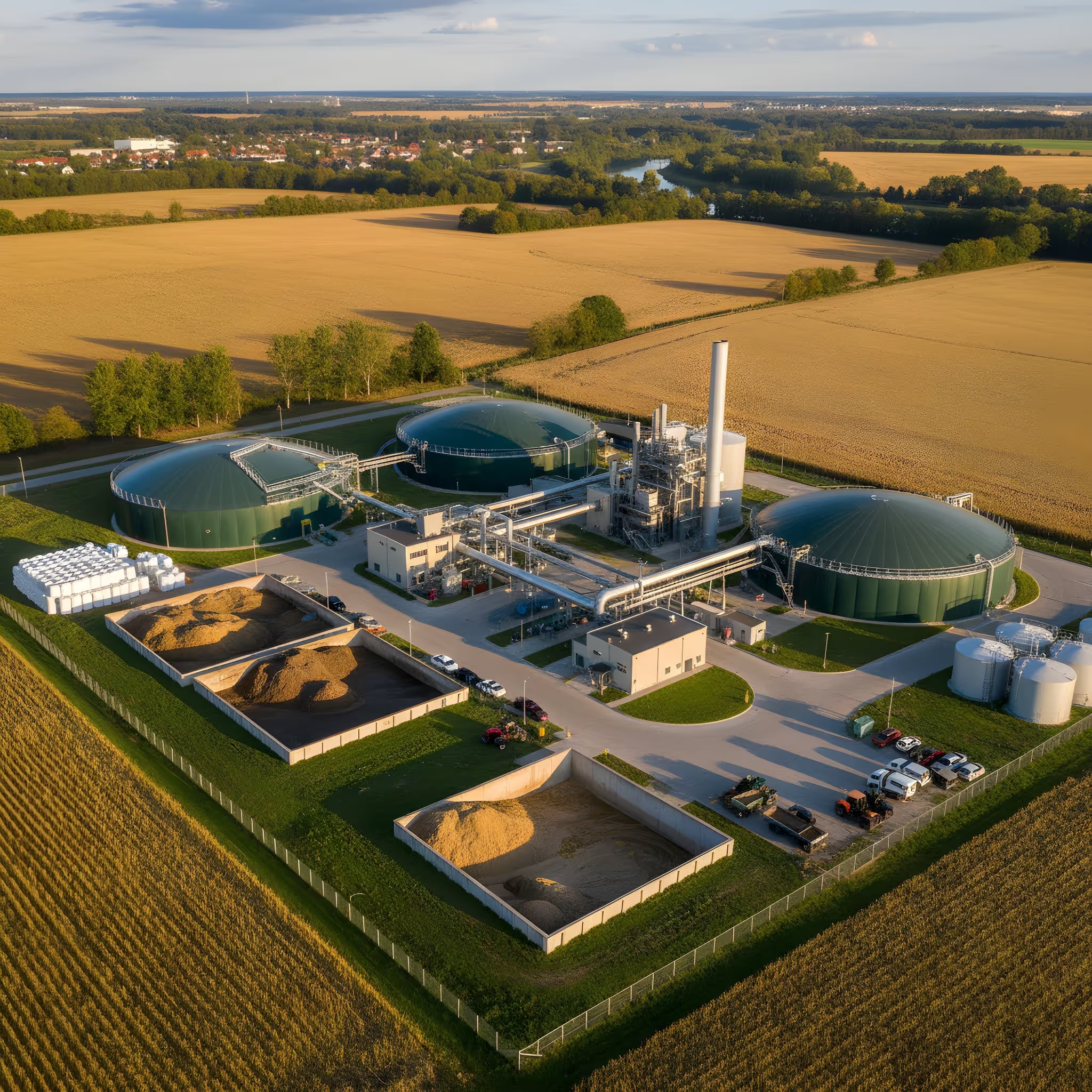
Biogas is a methane-rich gas mixture produced during the oxygen-free (anaerobic) decomposition of organic matter and can be utilized as a renewable energy source. The basis of biogas production is anaerobic digestion, during which specialized microbial communities break down organic materials in multiple stages, ultimately producing methane (CH₄) and carbon dioxide (CO₂).
Technologies for biogas production and recovery are widely applied at larger wastewater treatment plants (from sewage sludge), in agricultural operations, and in facilities treating biodegradable waste.
What Does Biogas Consist Of?
Biogas typically contains 50–70% methane and 30–45% carbon dioxide, while the remaining fraction consists of water vapor, hydrogen sulfide (H₂S), ammonia, and other trace gases. The methane content determines the calorific value of biogas, which is generally 18–25 MJ/m³, compared to approximately 34–36 MJ/m³ for natural gas. The contaminating components of raw biogas—especially hydrogen sulfide and moisture—must be removed for technological reasons, as they can cause corrosion and damage gas utilization equipment.
Feedstocks suitable for biogas production include sewage sludge, animal manure, food industry and municipal organic waste, as well as various plant residues.
Utilization of Biogas
At wastewater treatment plants, the typical operating temperature of sludge digesters is 35–38 °C (mesophilic range), and the hydraulic retention time is generally 15–25 days. From one tonne of dewatered sewage sludge with a dry solids content of approximately 25%, about 75–125 m³ of biogas can be produced.
The most common method of biogas utilization is combined heat and power (CHP) generation, where a gas engine and generator produce electricity, while the waste heat from the engine is used for heating or technological purposes. Electrical efficiency is typically 35–42%, while total efficiency—including heat recovery—can reach 80–90%. As an alternative, after purification and methane enrichment, biogas can be upgraded to biomethane and injected into the natural gas grid or used as a transport fuel.
The sewage sludge remaining after biogas production is relatively depleted in nutrients; therefore, if not suitable for use as fertilizer, it can be utilized as fill material at locations permitted by regulations.
Environmental Benefits
From an environmental perspective, biogas production and utilization offer significant advantages. They can reduce the use of fossil energy carriers, lower greenhouse gas emissions, and enable the controlled, environmentally sound treatment of organic wastes. At wastewater treatment plants, biogas can often cover 30–60% of the facility’s considerable electricity demand, contributing to sustainable and cost-effective operation. Biogas is therefore a key technological element of the modern circular economy.
